 Pops
Pops Baking Substitutions: A Beginner's Guide
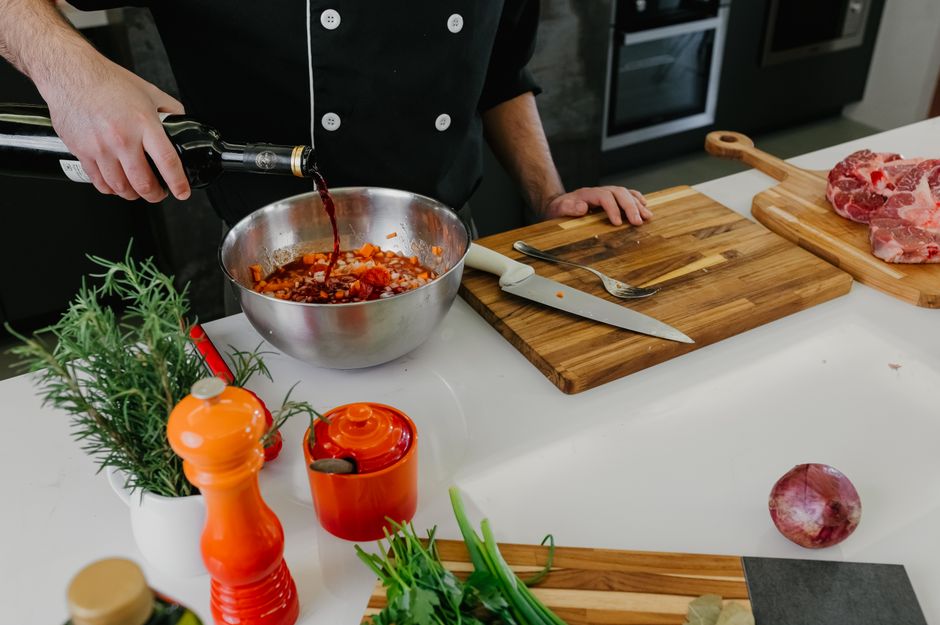
For a first attempt at baking substitutions, a few basic tools are all you need. The aim is to keep things simple and reliable. The rest of this article covers baking substitutions in plain, practical terms.
Start here
The key point is that buttermilk is one of the easiest to replace. Stirring a tablespoon of lemon juice or white vinegar into a cup of milk and letting it sit for five minutes creates a soured milk that works in most recipes. Thinned plain yogurt does the same job and adds a little extra richness.
Ripe, in-season fruit does most of the work for you.
What you need
Leaveners need careful handling. Baking powder can be made from baking soda and cream of tartar, roughly one part soda to two parts cream of tartar, but baking soda cannot simply replace baking powder without an acidic ingredient in the recipe. Using too much leavener can make baked goods taste bitter or cause them to rise and then collapse.
Your first batch
In practice, sugar substitutions affect texture as well as sweetness. Brown sugar can be replaced with white sugar plus a tablespoon of molasses per cup. Swapping liquid sweeteners like honey or maple syrup for granulated sugar adds moisture, so reducing other liquids slightly and lowering the oven temperature by about twenty-five degrees supports prevent overbrowning.
The practical takeaway is to taste the mixture before it goes in the freezer, since cold dulls sweetness.
What to expect
In practice, fats and dairy offer some flexibility. Melted butter and neutral oil can often be swapped in quick breads and muffins, though butter adds more flavor. Heavy cream can be replaced with a mixture of milk and melted butter for cooking, but this blend will not whip. When in doubt, choosing a recipe that matches the ingredients already on hand is often more reliable than stacking several substitutions together.
Labeling containers with the date makes it easy to use things while they are at their best.
Easy upgrades
On a day-to-day level, running short of an ingredient halfway through a recipe is a common kitchen moment. Many baking ingredients have reliable stand-ins, though each substitution changes the result slightly, and knowing why helps decide which swap will work best.
Practical tips
Here are a few easy places to start:
- Leave a little space at the top of molds for expansion.
- Run molds under warm water for a few seconds to release them.
- Store finished treats in an airtight container.
- Taste the mixture before freezing; it will taste less sweet once frozen.
The bottom line
The best recipe is the one you will make again. None of this needs to be perfect. A simple recipe made with good fruit will beat a complicated one.
Frequently asked questions
Do I need special equipment?
Not really. Molds help, but small cups, a loaf pan or an ice cube tray work for most baking substitutions recipes.
How far ahead can I make it?
Most frozen treats keep well for a couple of weeks in a sealed container; texture is best in the first few days.
Can I swap the fruit?
Usually yes. Keep the overall amount of liquid and sweetness similar and the recipe will behave much the same.
Is it a good project for kids?
Yes, with an adult handling knives and the stove. Stirring, pouring and choosing flavors are easy jobs for small helpers.