 Pops
Pops Butter Cookie Dough: A Second Look
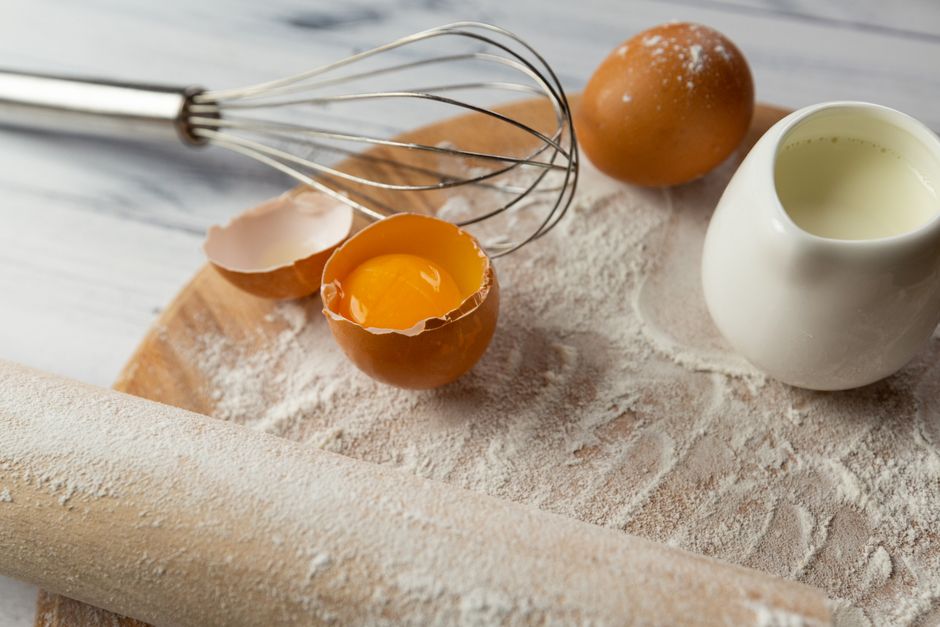
Serving butter cookie dough to a group is mostly about timing and space in the freezer. Most of the work is waiting while it freezes or bakes. Let's look at what makes butter cookie dough work, and what you can skip.
Planning quantities
Put simply, chilling the dough is the step many home bakers skip. An hour in the refrigerator firms the butter so the cookies hold their shape instead of spreading thin, and it lets the flour fully absorb moisture for a more even bake. For cutout cookies, rolling the dough between sheets of parchment before chilling makes it easier to handle.
Ripe, in-season fruit does most of the work for you.
Making it in batches
Butter cookie dough freezes well for up to three months. Shaping it into logs wrapped tightly in plastic means you can slice off and bake just a few cookies at a time. Baked cookies keep in an airtight tin at room temperature for about a week, and their flavor usually improves a little after the first day as the butter mellows.
Freezer space
A basic butter cookie dough is a quiet foundation for dozens of variations. With only butter, sugar, egg, flour, vanilla and salt, it can become slice and bake rounds, cutout shapes, thumbprints filled with jam or crisp sandwich cookies around a scoop of ice cream. Learning how the dough behaves makes every version easier.
Labeling containers with the date makes it easy to use things while they are at their best.
Serving ideas
Creaming softened butter with sugar is the first step, and it counts more than it seems. Beating the two for two to three minutes, until pale and fluffy, works air into the butter. That air expands in the oven and gives the cookies a tender texture. Rushing this step tends to produce flat, dense cookies.
The goal is a recipe you can repeat easily, not a perfect one-off.
Keeping it cold
Once the egg and vanilla are mixed in, the flour should be added gently and mixed only until no dry streaks remain. Overworking the dough after the flour goes in develops gluten, which makes cookies tough rather than crumbly and short. A pinch of salt sharpens the butter flavor and keeps the cookies from tasting flat.
Ripe, in-season fruit does most of the work for you.
Practical tips
A few simple things tend to help:
- Chill the base in the fridge before it goes in the freezer.
- Run molds under warm water for a few seconds to release them.
- Keep the freezer door closed as much as possible while things set.
- Leave a little space at the top of molds for expansion.
The bottom line
Take it one batch at a time. Keep it simple, taste as you go, and have fun with the flavors. That is really all it takes.
Frequently asked questions
Can I swap the fruit?
Usually yes. Keep the overall amount of liquid and sweetness similar and the recipe will behave much the same.
Is it a good project for kids?
Yes, with an adult handling knives and the stove. Stirring, pouring and choosing flavors are easy jobs for small helpers.
Why did mine turn icy?
Ice crystals grow when there is too much water and too little sugar or fat. A little more fruit purée or cream usually fixes it.
How far ahead can I make it?
Most frozen treats keep well for a couple of weeks in a sealed container; texture is best in the first few days.