 Pops
Pops Fresh Berry Shortcake: Easy Variations to Try
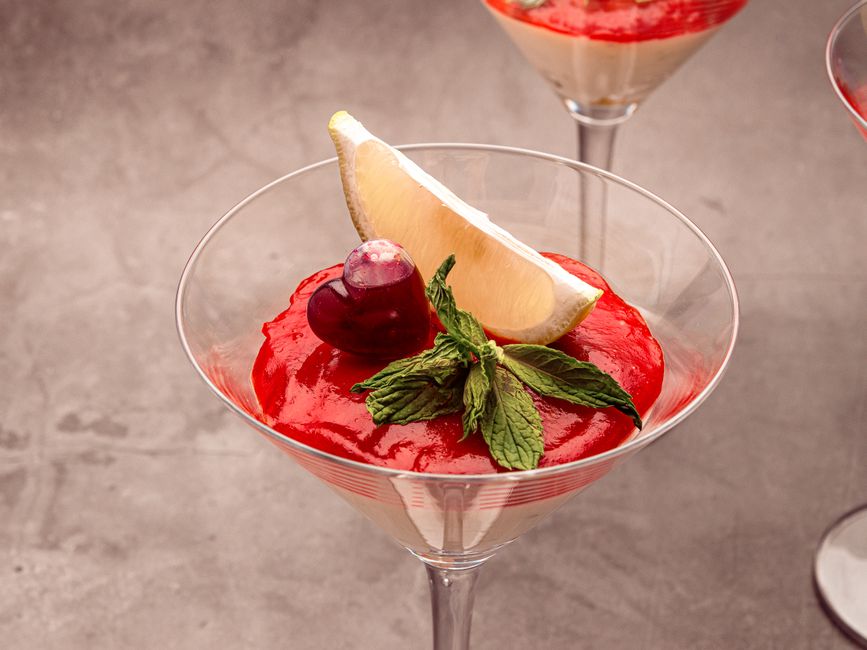
Fresh berry shortcake is a template: swap the fruit, the base or the toppings and it still works. The method is forgiving, so small changes are fine. Below, we walk through fresh berry shortcake step by step.
The base recipe
The berries need time to release their juices. Slicing strawberries and tossing them with a few spoonfuls of sugar, then letting them sit for thirty minutes to an hour, draws out a bright syrup. Mixing in a handful of blueberries or raspberries adds color and a little tartness to the bowl.
Labeling containers with the date makes it easy to use things while they are at their best.
Swapping the fruit
Worth keeping in mind: whipped cream should be soft and billowy rather than stiff, so it slumps gently over the fruit. Assemble each shortcake just before serving by spooning berries and their syrup over the bottom half of a biscuit, adding cream and setting the top in place. Leftover biscuits can be stored at room temperature for a day and refreshed in a warm oven for a few minutes.
Labeling containers with the date makes it easy to use things while they are at their best.
Changing the texture
The key point is that strawberry shortcake in the American tradition is built on a tender, lightly sweetened biscuit rather than a sponge cake. The biscuit soaks up berry juices while staying sturdy enough to hold its shape, and its slight saltiness balances the sweet fruit and cream. Three easy parts, made well, add up to a dessert that feels generous without being complicated.
None of this needs to be exact; small changes in fruit or sugar are part of the fun.
Adding layers
It helps to remember that the biscuits come together quickly. Flour, baking powder, a little sugar and salt are mixed, then cold butter is cut in until the pieces are about the size of minor peas. Those pockets of butter melt in the oven and release steam, which creates flaky layers. Cream or buttermilk is stirred in just until the dough holds together, since overmixing develops gluten and makes the biscuits tough.
Toppings and finishes
In practice, baking at a fairly high temperature, around 425 degrees Fahrenheit, aids the biscuits rise quickly and brown on top. Brushing the tops with cream and sprinkling them with coarse sugar adds a crisp, sparkling crust. They are best split and served on the day they are baked, while the interior is still soft.
Little details like chilling the mixture first make a visible difference in the result.
Practical tips
A few simple things tend to help:
- Taste the mixture before freezing; it will taste less sweet once frozen.
- Label containers with the date.
- Store finished treats in an airtight container.
- Keep the freezer door closed as much as possible while things set.
The bottom line
Keep it simple, taste as you go, and have fun with the flavors. The best recipe is the one you will make again. Start with the basics and adapt from there.
Frequently asked questions
Do I need special equipment?
Not really. Molds help, but small cups, a loaf pan or an ice cube tray work for most fresh berry shortcake recipes.
Is it a good project for kids?
Yes, with an adult handling knives and the stove. Stirring, pouring and choosing flavors are easy jobs for small helpers.
Why did mine turn icy?
Ice crystals grow when there is too much water and too little sugar or fat. A little more fruit purée or cream usually fixes it.
Can I swap the fruit?
Usually yes. Keep the overall amount of liquid and sweetness similar and the recipe will behave much the same.