 Pops
Pops Fruit Sorbet At Home: Common Mistakes to Avoid
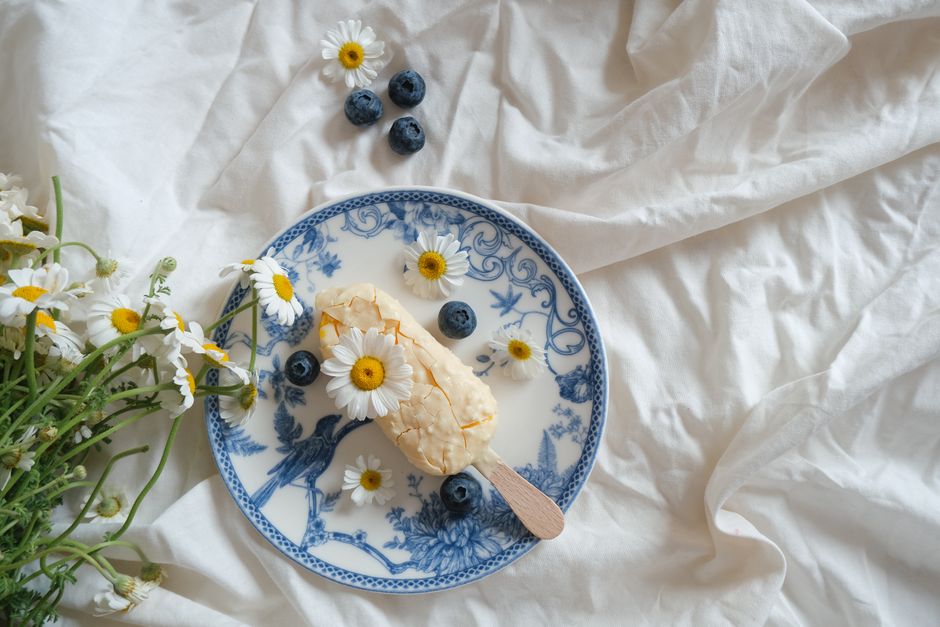
Knowing the pitfalls of fruit sorbet at home is half the recipe. Most of the work is waiting while it freezes or bakes. Here is a practical look at fruit sorbet at home for home kitchens.
Getting the balance wrong
The key point is that a spoonful of lemon juice brightens almost any fruit sorbet, and a small splash of corn syrup can help keep it scoopable for longer. Homemade sorbet is at its best within a few days. Over time it hardens and loses aroma, so letting it sit at room temperature for five minutes before serving helps recover its soft, spoonable texture.
The goal is a recipe you can repeat easily, not a perfect one-off.
Rushing the freeze
Sorbet is simply fruit, sugar and water frozen in a way that keeps the texture smooth instead of icy. Without dairy or eggs, the balance between sugar and liquid becomes the deciding factor. Too little sugar and the sorbet freezes into a hard, crystalline block, while too much leaves it slushy and unwilling to set.
Skipping the prep
Many home cooks use a easy syrup made from equal parts sugar and water, heated until clear and then chilled. Combining roughly one part syrup with two to three parts fruit puree gives a reliable starting point. Taste counts more than measurements, because fruit varies so much in natural sweetness from one batch to the next.
Labeling containers with the date makes it easy to use things while they are at their best.
Using the wrong container
On a day-to-day level, an old kitchen trick for checking the balance is the egg test. A clean, raw egg in its shell placed in the sorbet base should float with a minor circle of shell, roughly the size of a coin, showing above the surface. If it sinks, add more syrup, and if it bobs up high, thin the mix with water or juice.
It helps to make a small test batch before scaling a recipe up.
How to rescue it
An ice cream maker churns the base and breaks up crystals as they form, but sorbet can also be made in a shallow pan. Freeze the mixture and stir it with a fork every thirty to forty-five minutes for a few hours, scraping the frozen edges into the center. A final whirl in a food processor before the last freeze gives a surprisingly fine texture.
Practical tips
A few simple things tend to help:
- Taste the mixture before freezing; it will taste less sweet once frozen.
- Use ripe fruit for the best flavor.
- Run molds under warm water for a few seconds to release them.
- Leave a little space at the top of molds for expansion.
The bottom line
None of this needs to be perfect. Take it one batch at a time. Every attempt teaches you something about your own freezer and oven.
Frequently asked questions
Do I need special equipment?
Not really. Molds help, but small cups, a loaf pan or an ice cube tray work for most fruit sorbet at home recipes.
Can I swap the fruit?
Usually yes. Keep the overall amount of liquid and sweetness similar and the recipe will behave much the same.
Why did mine turn icy?
Ice crystals grow when there is too much water and too little sugar or fat. A little more fruit purée or cream usually fixes it.
Is it a good project for kids?
Yes, with an adult handling knives and the stove. Stirring, pouring and choosing flavors are easy jobs for small helpers.