 Pops
Pops Panna Cotta: Easy Variations to Try
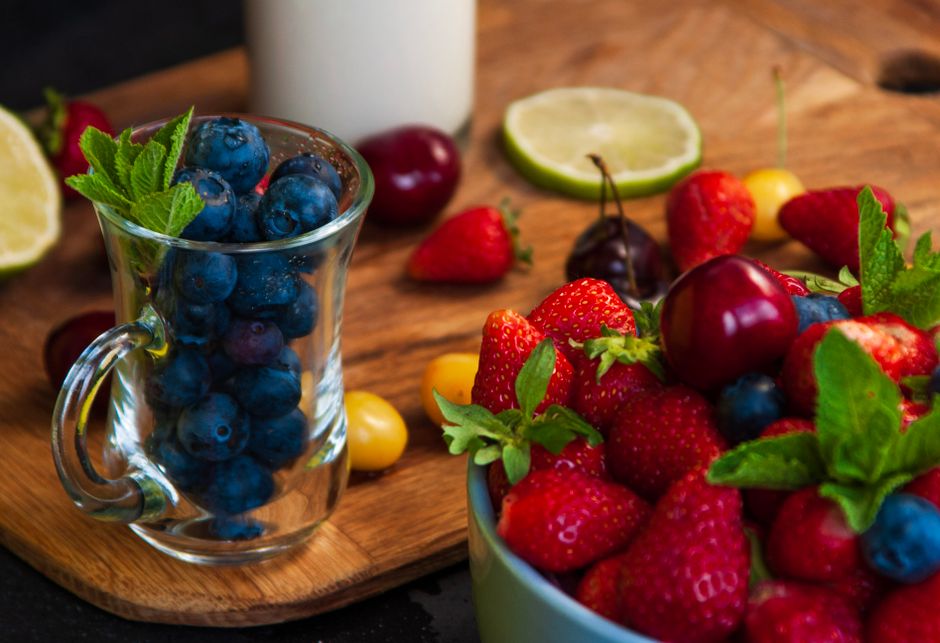
Once you know the basic method, panna cotta is easy to change up. Most of the work is waiting while it freezes or bakes. The rest of this article covers panna cotta in plain, practical terms.
The base recipe
It helps to remember that panna cotta is a softly set cream pudding that originated in northern Italy and has found a permanent place in home kitchens everywhere. Its name means cooked cream, though the cream is only warmed, never boiled hard. Gelatin gives it structure, and the best versions barely hold their shape, trembling slightly when the plate is moved.
None of this needs to be exact; small changes in fruit or sugar are part of the fun.
Swapping the fruit
In practice, getting the gelatin right is the whole secret. Powdered gelatin should be sprinkled over a few tablespoons of cold milk or water and left for five minutes to bloom, meaning it absorbs the liquid and swells. Blooming prevents lumps and lets the gelatin dissolve evenly once it meets the warm cream. About one and a half teaspoons of powdered gelatin will gently set two cups of liquid.
If you remember one thing, let it be that the balance of sugar, fat and water decides the texture.
Changing the texture
On a day-to-day level, warm the cream with sugar and a split vanilla bean or a little extract until steaming, then remove it from the heat before stirring in the bloomed gelatin. Boiling can weaken gelatin and ease its setting power. Many cooks replace some of the cream with milk or buttermilk for a lighter, slightly tangy version.
The practical takeaway is to taste the mixture before it goes in the freezer, since cold dulls sweetness.
Adding layers
Pour the mixture into minor glasses, ramekins or lightly oiled molds and chill for at least four hours. Serving in glasses is the simplest option because there is no need to unmold. If you do want to turn them out, dip each mold briefly in hot water, run a thin knife around the edge and invert onto a plate.
None of this needs to be exact; small changes in fruit or sugar are part of the fun.
Toppings and finishes
More often than not, fresh fruit, a spoonful of berry sauce or a drizzle of caramel are all natural partners. Because panna cotta is so mild, toppings with a little acidity or bitterness, such as passion fruit, roasted rhubarb or strong coffee syrup, provide welcome contrast. Covered panna cotta keeps well in the refrigerator for up to three days, making it an easy dessert to prepare ahead.
None of this needs to be exact; small changes in fruit or sugar are part of the fun.
Practical tips
Here are a few easy places to start:
- Taste the mixture before freezing; it will taste less sweet once frozen.
- Use ripe fruit for the best flavor.
- Leave a little space at the top of molds for expansion.
- Label containers with the date.
The bottom line
Take it one batch at a time. Keep it simple, taste as you go, and have fun with the flavors. That is really all it takes.
Frequently asked questions
Is it a good project for kids?
Yes, with an adult handling knives and the stove. Stirring, pouring and choosing flavors are easy jobs for small helpers.
Do I need special equipment?
Not really. Molds help, but small cups, a loaf pan or an ice cube tray work for most panna cotta recipes.
How far ahead can I make it?
Most frozen treats keep well for a couple of weeks in a sealed container; texture is best in the first few days.
Why did mine turn icy?
Ice crystals grow when there is too much water and too little sugar or fat. A little more fruit purée or cream usually fixes it.