 Pops
Pops Summer Trifle for a Crowd
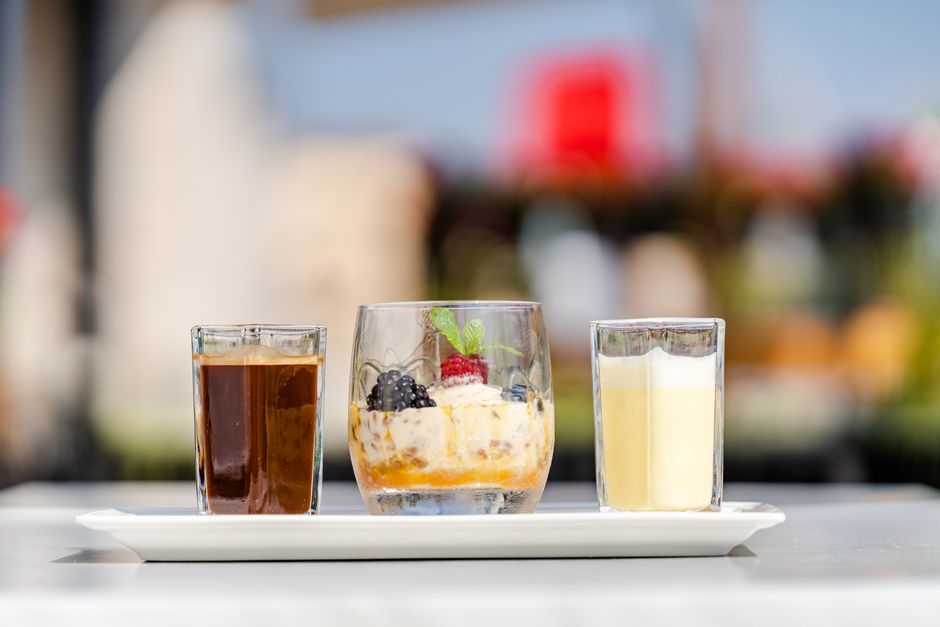
Serving summer trifle to a group is mostly about timing and space in the freezer. None of it needs special equipment. Here is a practical look at summer trifle for home kitchens.
Planning quantities
In practice, summer fruit brings color and freshness. Berries, sliced peaches and cherries all work well, especially when tossed with a little sugar to release their juices. Arrange some of the prettiest pieces against the side of the bowl as you build each layer, since that is what guests will see first.
Making it in batches
Assemble the trifle at least four hours ahead, or the night before, so the cake has time to absorb moisture and the flavors blend. Finish the top with whipped cream and fresh fruit just before serving to keep it looking crisp. Leftovers keep covered in the refrigerator for a day or two, though the cake will continue to soften.
Freezer space
A trifle is a layered dessert of cake, fruit, custard or cream, generally assembled in a tall glass bowl so the stripes show from the side. It is a practical way to turn easy components into something that looks festive, and it welcomes shortcuts like store-bought pound cake or leftover sponge.
If you remember one thing, let it be that the balance of sugar, fat and water decides the texture.
Serving ideas
More often than not, cake that is slightly stale works better than very fresh cake. Drier cubes soak up fruit juices and custard without collapsing into mush. If your cake is soft, cutting it into cubes and leaving them uncovered for a few hours, or toasting them briefly in a low oven, firms them up nicely.
Labeling containers with the date makes it easy to use things while they are at their best.
Keeping it cold
Put simply, the creamy layer can be a cooked vanilla custard, instant pudding, or whipped cream folded together with mascarpone or softened cream cheese for extra body. Whatever you choose should be thick enough to hold its place between layers. A thin custard will run down through the cake and blur the stripes.
If you remember one thing, let it be that the balance of sugar, fat and water decides the texture.
Practical tips
In everyday terms, this can look like:
- Run molds under warm water for a few seconds to release them.
- Taste the mixture before freezing; it will taste less sweet once frozen.
- Keep the freezer door closed as much as possible while things set.
- Leave a little space at the top of molds for expansion.
The bottom line
Keep it simple, taste as you go, and have fun with the flavors. None of this needs to be perfect. A simple recipe made with good fruit will beat a complicated one.
Frequently asked questions
Why did mine turn icy?
Ice crystals grow when there is too much water and too little sugar or fat. A little more fruit purée or cream usually fixes it.
Is it a good project for kids?
Yes, with an adult handling knives and the stove. Stirring, pouring and choosing flavors are easy jobs for small helpers.
How far ahead can I make it?
Most frozen treats keep well for a couple of weeks in a sealed container; texture is best in the first few days.
Do I need special equipment?
Not really. Molds help, but small cups, a loaf pan or an ice cube tray work for most summer trifle recipes.