 Pops
Pops Whipped Cream: Easy Variations to Try
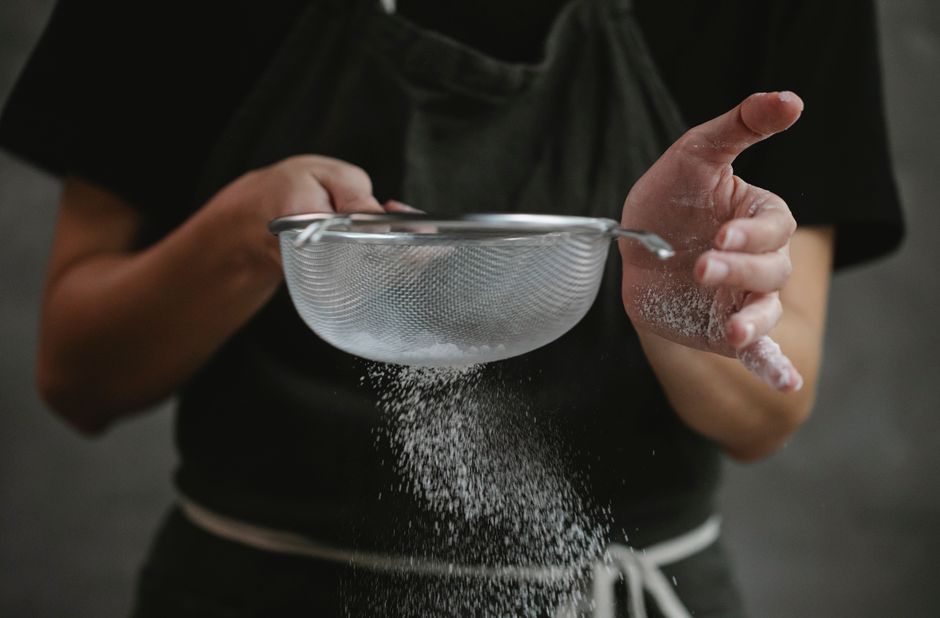
Once you know the basic method, whipped cream is easy to change up. The aim is to keep things simple and reliable. Here is a practical look at whipped cream for home kitchens.
The base recipe
The key point is that fresh whipped cream is quick to make and tastes noticeably richer and cleaner than most ready-made toppings. It needs only heavy cream, a little sugar and a few minutes of whisking, yet a few small details decide whether it turns out silky or grainy.
Swapping the fruit
More often than not, cold is the most worthwhile factor. Heavy cream whips best straight from the refrigerator, and chilling the bowl and whisk for fifteen minutes beforehand helps even more. The fat in cold cream forms a stable network around air bubbles, while warm cream struggles to thicken and may never reach firm peaks.
Little details like chilling the mixture first make a visible difference in the result.
Changing the texture
Choose cream labeled heavy cream or heavy whipping cream, which contains enough fat to hold its shape. Lighter whipping cream will whip but produces a softer, less stable result. For every cup of cream, a tablespoon or two of powdered sugar and a splash of vanilla give gentle sweetness and flavor.
Adding layers
More often than not, watch the cream closely as it thickens. Soft peaks slump over when the whisk is lifted and are ideal for spooning over fruit and pie. Medium peaks hold their shape with a curled tip and work well for layering and filling. Stiff peaks stand straight up and suit piping. Whisking beyond that point turns the cream grainy and eventually separates it into butter and buttermilk.
Labeling containers with the date makes it easy to use things while they are at their best.
Toppings and finishes
If the cream is slightly overwhipped, gently folding in a few spoonfuls of fresh liquid cream can bring back a smooth texture. Whipped cream keeps in the refrigerator for several hours and may need a quick whisk before serving. For longer holding, folding in a few spoonfuls of mascarpone or using powdered sugar, which contains a little cornstarch, aids it stay stable.
Ripe, in-season fruit does most of the work for you.
Practical tips
Here are a few easy places to start:
- Run molds under warm water for a few seconds to release them.
- Use ripe fruit for the best flavor.
- Chill the base in the fridge before it goes in the freezer.
- Leave a little space at the top of molds for expansion.
The bottom line
Keep it simple, taste as you go, and have fun with the flavors. Take it one batch at a time. Every attempt teaches you something about your own freezer and oven.
Frequently asked questions
How far ahead can I make it?
Most frozen treats keep well for a couple of weeks in a sealed container; texture is best in the first few days.
Why did mine turn icy?
Ice crystals grow when there is too much water and too little sugar or fat. A little more fruit purée or cream usually fixes it.
Do I need special equipment?
Not really. Molds help, but small cups, a loaf pan or an ice cube tray work for most whipped cream recipes.
Can I swap the fruit?
Usually yes. Keep the overall amount of liquid and sweetness similar and the recipe will behave much the same.