 Pops
Creamy Yogurt Ice Pops: Questions Worth Asking
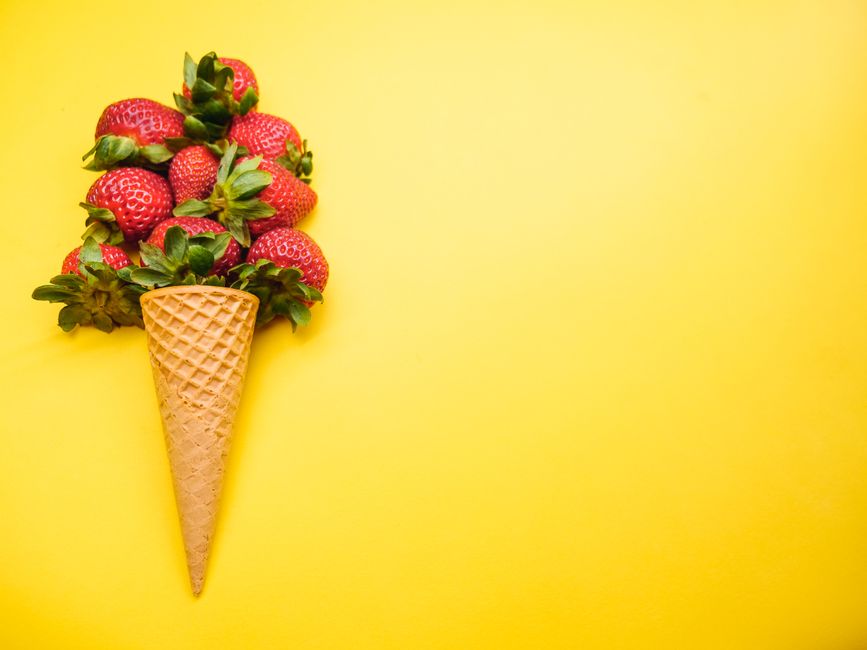
A good recipe for creamy yogurt ice pops is a starting point for plenty of variations. The aim is to keep things simple and reliable. Let's look at what makes creamy yogurt ice pops work, and what you can skip.
The base recipe
In practice, plain yogurt is the most flexible starting point, since you control the sweetness yourself. Stirring in honey, maple syrup or a straightforward syrup works better than granulated sugar, which may not fully dissolve in a cold, thick base. Taste the mixture before filling the molds and aim for it to be a touch sweeter than you would eat from a bowl, because freezing mutes flavor.
If you remember one thing, let it be that the balance of sugar, fat and water decides the texture.
Swapping the fruit
Greek yogurt is thicker and tangier, and it can make pops that feel dense and slightly chalky. Thinning it with a few spoonfuls of milk or fruit puree loosens the texture and helps it flow into the molds without trapping air pockets. Tapping the filled molds on the counter a few times also releases bubbles that would otherwise leave holes in the finished pops.
The practical takeaway is to taste the mixture before it goes in the freezer, since cold dulls sweetness.
Changing the texture
Fruit can be folded in several ways. Swirling a spoonful of jam or berry puree through the yogurt creates a marbled look, while blending the fruit completely gives an even color and flavor. Chunks of soft fruit are pleasant, but large pieces of firm fruit freeze rock hard and can make the pops challenging to bite.
Adding layers
Yogurt pops usually set in five to six hours, and they release more easily than fruit pops because the dairy softens quickly when the mold is warmed. Keep them sealed in the freezer and enjoy them within a week or two, before the surface begins to develop frost and the tang fades into something flat.
None of this needs to be exact; small changes in fruit or sugar are part of the fun.
Toppings and finishes
More often than not, yogurt gives ice pops a creamy, gently tangy character that sits somewhere between a fruit pop and a scoop of frozen custard. Whole milk yogurt produces the smoothest result because its fat interrupts the formation of large ice crystals. Lower fat yogurt still works, though the pops will be a little firmer and more icy around the edges.
Ripe, in-season fruit does most of the work for you.
Practical tips
In everyday terms, this can look like:
- Run molds under warm water for a few seconds to release them.
- Chill the base in the fridge before it goes in the freezer.
- Keep the freezer door closed as much as possible while things set.
- Taste the mixture before freezing; it will taste less sweet once frozen.
The bottom line
Keep it simple, taste as you go, and have fun with the flavors. The best recipe is the one you will make again. Start with the basics and adapt from there.
Frequently asked questions
Can I swap the fruit?
Usually yes. Keep the overall amount of liquid and sweetness similar and the recipe will behave much the same.
Do I need special equipment?
Not really. Molds help, but small cups, a loaf pan or an ice cube tray work for most creamy yogurt ice pops recipes.
Is it a good project for kids?
Yes, with an adult handling knives and the stove. Stirring, pouring and choosing flavors are easy jobs for small helpers.
Why did mine turn icy?
Ice crystals grow when there is too much water and too little sugar or fat. A little more fruit purée or cream usually fixes it.