 Pops
Fruit Crisps And Crumbles: A Beginner's Guide
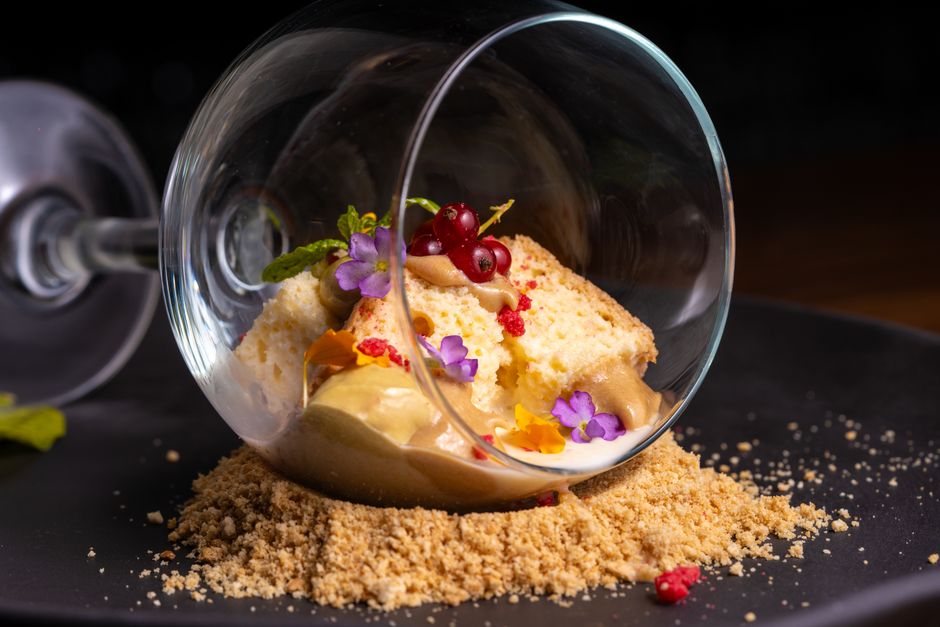
Fruit crisps and crumbles is easiest when you follow a clear order of steps. The aim is to keep things simple and reliable. The rest of this article covers fruit crisps and crumbles in plain, practical terms.
Before you start
The key point is that for the topping, cold butter rubbed into flour, brown sugar and a pinch of salt forms irregular clumps that bake up crisp. Leaving some pieces larger than others gives a more interesting texture. Chilling the topping for ten minutes before scattering it over the fruit helps it hold together and brown rather than melting into the filling.
The goal is a recipe you can repeat easily, not a perfect one-off.
Step by step
On a day-to-day level, bake in a moderate oven, around 350 to 375 degrees Fahrenheit, until the topping is deep golden and the juices bubble thickly around the edges. Bubbling at the center, not just the sides, is the sign that the thickener has fully cooked and the filling will not be runny. Most crisps take forty to fifty minutes.
What to check
Letting the dessert rest for at least fifteen minutes allows the juices to settle. Serve it warm with a scoop of vanilla ice cream or a spoonful of lightly sweetened cream. Leftovers keep covered in the refrigerator for a few days, and a short stay in a warm oven restores the crisp topping better than a microwave.
None of this needs to be exact; small changes in fruit or sugar are part of the fun.
Freezing or baking
In practice, crisps and crumbles are among the most adaptable fruit desserts a home cook can learn. Both pair a layer of baked fruit with a buttery topping, and both can be made with whatever fruit is ripe. The usual difference is that a crisp topping includes oats or nuts for crunch, while a crumble is closer to a sandy, streusel-like mixture of flour, sugar and butter.
Little details like chilling the mixture first make a visible difference in the result.
Serving
Worth keeping in mind: the fruit layer needs a little support to set. Juicy fruit like peaches, berries and plums release plenty of liquid in the oven, so tossing them with a tablespoon or two of cornstarch or flour thickens the juices into a glossy sauce. Apples and pears need less thickener. A spoonful of sugar and a squeeze of lemon juice balance the flavor of almost any combination.
Little details like chilling the mixture first make a visible difference in the result.
Practical tips
A few simple things tend to help:
- Label containers with the date.
- Run molds under warm water for a few seconds to release them.
- Use ripe fruit for the best flavor.
- Store finished treats in an airtight container.
The bottom line
The best recipe is the one you will make again. None of this needs to be perfect. A simple recipe made with good fruit will beat a complicated one.
Frequently asked questions
Do I need special equipment?
Not really. Molds help, but small cups, a loaf pan or an ice cube tray work for most fruit crisps and crumbles recipes.
Is it a good project for kids?
Yes, with an adult handling knives and the stove. Stirring, pouring and choosing flavors are easy jobs for small helpers.
How far ahead can I make it?
Most frozen treats keep well for a couple of weeks in a sealed container; texture is best in the first few days.
Why did mine turn icy?
Ice crystals grow when there is too much water and too little sugar or fat. A little more fruit purée or cream usually fixes it.