 Pops
Fresh Berry Shortcake: What Not to Do
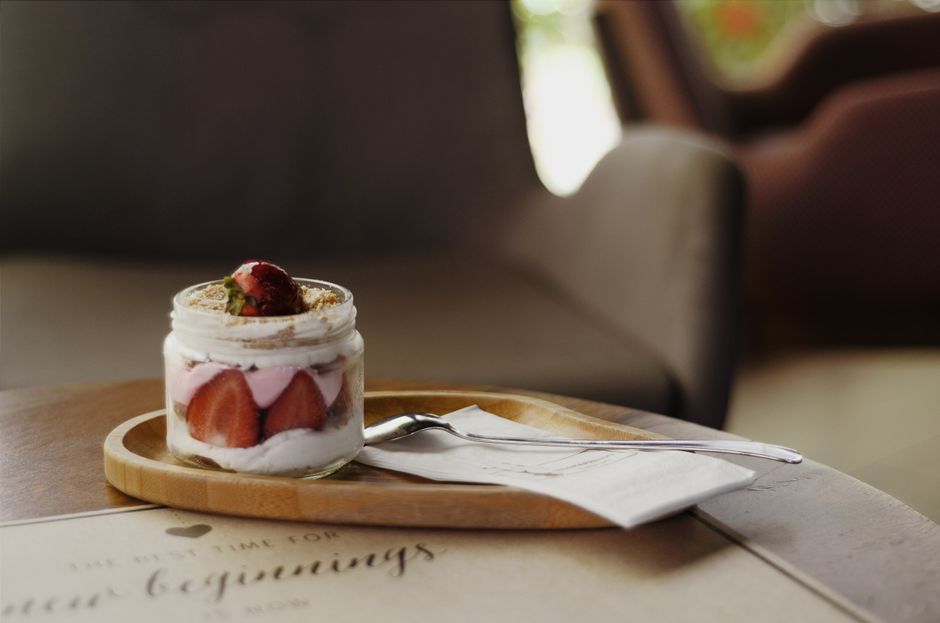
Fresh berry shortcake scales up nicely for a party with a little planning. The method is forgiving, so small changes are fine. The rest of this article covers fresh berry shortcake in plain, practical terms.
Planning quantities
The berries need time to release their juices. Slicing strawberries and tossing them with a few spoonfuls of sugar, then letting them sit for thirty minutes to an hour, draws out a bright syrup. Mixing in a handful of blueberries or raspberries adds color and a little tartness to the bowl.
Labeling containers with the date makes it easy to use things while they are at their best.
Making it in batches
Whipped cream should be soft and billowy rather than stiff, so it slumps gently over the fruit. Assemble each shortcake just before serving by spooning berries and their syrup over the bottom half of a biscuit, adding cream and setting the top in place. Leftover biscuits can be stored at room temperature for a day and refreshed in a warm oven for a few minutes.
It helps to make a small test batch before scaling a recipe up.
Freezer space
Worth keeping in mind: strawberry shortcake in the American tradition is built on a tender, lightly sweetened biscuit rather than a sponge cake. The biscuit soaks up berry juices while staying sturdy enough to hold its shape, and its slight saltiness balances the sweet fruit and cream. Three easy parts, made well, add up to a dessert that feels generous without being complicated.
Little details like chilling the mixture first make a visible difference in the result.
Serving ideas
The key point is that the biscuits come together quickly. Flour, baking powder, a little sugar and salt are mixed, then cold butter is cut in until the pieces are about the size of small peas. Those pockets of butter melt in the oven and release steam, which creates flaky layers. Cream or buttermilk is stirred in just until the dough holds together, since overmixing develops gluten and makes the biscuits tough.
None of this needs to be exact; small changes in fruit or sugar are part of the fun.
Keeping it cold
The key point is that baking at a fairly high temperature, around 425 degrees Fahrenheit, helps the biscuits rise quickly and brown on top. Brushing the tops with cream and sprinkling them with coarse sugar adds a crisp, sparkling crust. They are best split and served on the day they are baked, while the interior is still soft.
The practical takeaway is to taste the mixture before it goes in the freezer, since cold dulls sweetness.
Practical tips
A few simple things tend to help:
- Leave a little space at the top of molds for expansion.
- Taste the mixture before freezing; it will taste less sweet once frozen.
- Run molds under warm water for a few seconds to release them.
- Use ripe fruit for the best flavor.
The bottom line
None of this needs to be perfect. Keep it simple, taste as you go, and have fun with the flavors. That is really all it takes.
Frequently asked questions
Can I swap the fruit?
Usually yes. Keep the overall amount of liquid and sweetness similar and the recipe will behave much the same.
Why did mine turn icy?
Ice crystals grow when there is too much water and too little sugar or fat. A little more fruit purée or cream usually fixes it.
Is it a good project for kids?
Yes, with an adult handling knives and the stove. Stirring, pouring and choosing flavors are easy jobs for small helpers.
How far ahead can I make it?
Most frozen treats keep well for a couple of weeks in a sealed container; texture is best in the first few days.