 Pops
Watermelon Desserts: Small Steps That Stick
For gatherings, watermelon desserts is easy to prepare in batches. None of it needs special equipment. The rest of this article covers watermelon desserts in plain, practical terms.
Planning quantities
It helps to remember that watermelon is mostly water, which makes it wonderfully refreshing to eat and slightly tricky to cook with. It does not hold up to baking or long cooking, but it shines in chilled and frozen desserts where its crisp texture and clean sweetness can come through.
The goal is a recipe you can repeat easily, not a perfect one-off.
Making it in batches
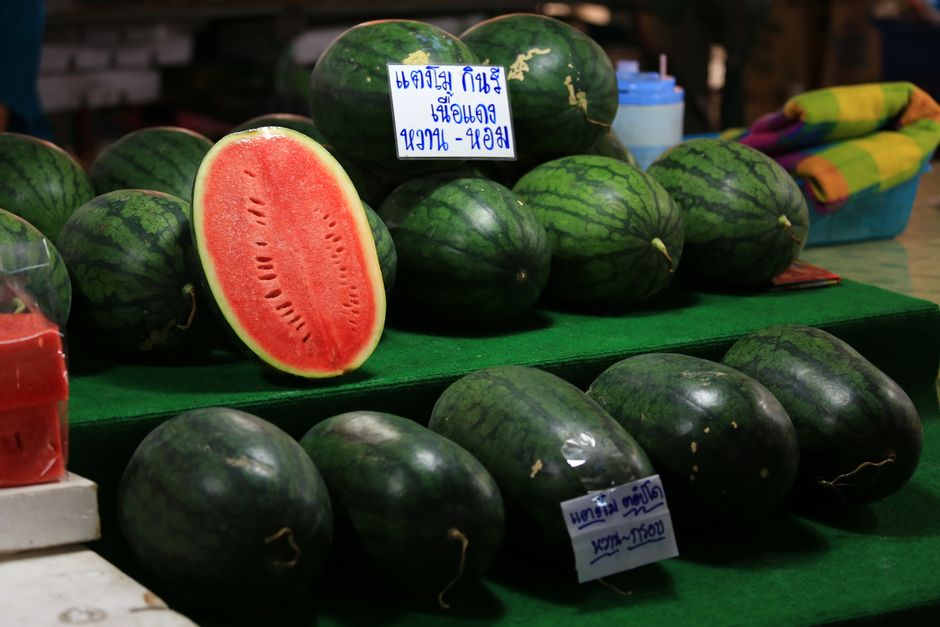
More often than not, a good watermelon feels heavy for its size and has a creamy yellow spot on one side where it rested on the ground as it ripened. A white or pale green spot frequently means it was picked too early. Tapping the melon should produce a deep, hollow sound rather than a dull thud.
If you remember one thing, let it be that the balance of sugar, fat and water decides the texture.
Freezer space
On a day-to-day level, blended watermelon makes an excellent base for granitas, sorbets and ice pops. Because it is so watery, it freezes into a firm, icy texture, so a little sugar or simple syrup and a squeeze of lime support keep frozen watermelon treats softer and brighter in flavor. Straining the puree removes pulp and seeds for a smoother result.
The practical takeaway is to taste the mixture before it goes in the freezer, since cold dulls sweetness.
Serving ideas
More often than not, fresh watermelon also works in straightforward no-cook desserts. Cubes tossed with lime juice, a little honey and torn mint make a cooling fruit salad. Thick wedges can be cut into triangle shapes and dipped partly in melted chocolate for a playful treat, and watermelon can be frozen in cubes and blended into slushies.
Keeping it cold
On a day-to-day level, cut watermelon should always be refrigerated and eaten within three to four days. Wash the rind before slicing, since a knife can carry anything on the surface into the flesh. Keeping cut melon covered prevents it from absorbing other refrigerator smells and drying out on the exposed surface.
Last-minute touches
Leftover watermelon juice is worth saving. Strained juice can be frozen in ice cube trays and added to lemonade, or simmered briefly with a little sugar into a light syrup for drizzling over fruit salad. Because its flavor is delicate, watermelon pairs best with gentle partners like lime, mint, cucumber and a pinch of salt.
If you remember one thing, let it be that the balance of sugar, fat and water decides the texture.
Practical tips
In everyday terms, this can look like:
- Run molds under warm water for a few seconds to release them.
- Keep the freezer door closed as much as possible while things set.
- Store finished treats in an airtight container.
- Label containers with the date.
The bottom line
The best recipe is the one you will make again. Keep it simple, taste as you go, and have fun with the flavors. That is really all it takes.
Frequently asked questions
Is it a good project for kids?
Yes, with an adult handling knives and the stove. Stirring, pouring and choosing flavors are easy jobs for small helpers.
How far ahead can I make it?
Most frozen treats keep well for a couple of weeks in a sealed container; texture is best in the first few days.
Why did mine turn icy?
Ice crystals grow when there is too much water and too little sugar or fat. A little more fruit purée or cream usually fixes it.
Can I swap the fruit?
Usually yes. Keep the overall amount of liquid and sweetness similar and the recipe will behave much the same.