 Pops
Pops Choosing Ripe Summer Fruit: A Simple Checklist
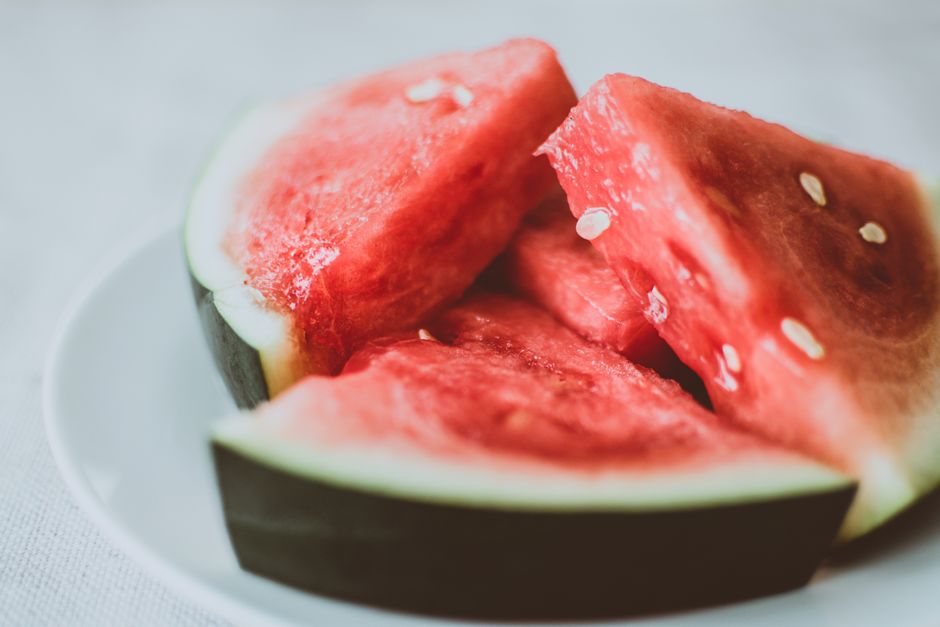
Choosing ripe summer fruit works well as a shared project because most steps are simple. Most of the work is waiting while it freezes or bakes. Let's look at what makes choosing ripe summer fruit work, and what you can skip.
Setting up
On a day-to-day level, smell is frequently the most reliable guide. Ripe peaches, nectarines, melons and strawberries give off a sweet, clear aroma near the stem end. If a fruit smells of nothing, it will usually taste of very little. This test works especially well with cantaloupe and honeydew, which should smell fragrant and feel heavy for their size.
Labeling containers with the date makes it easy to use things while they are at their best.
Jobs for little helpers
Touch tells you about texture. Stone fruit should yield slightly to gentle pressure near the stem without feeling mushy. Berries should be plump and dry, with no signs of mold or leaking juice at the bottom of the container. Cherries should be firm and glossy with green, flexible stems.
Labeling containers with the date makes it easy to use things while they are at their best.
The adult steps
On a day-to-day level, some fruit continues to ripen after picking and some does not. Peaches, plums, apricots, bananas and mangoes soften and sweeten on the counter, especially when placed in a paper bag. Berries, cherries, grapes, citrus and watermelon do not grow sweeter once picked, so they should be chosen ripe and used fairly soon.
If you remember one thing, let it be that the balance of sugar, fat and water decides the texture.
Making it fun
More often than not, storage keeps ripe fruit at its best. Firm stone fruit ripens at room temperature and can then be refrigerated for a few days to slow it down. Berries keep longest when stored unwashed in the refrigerator and rinsed just before eating. Fruit that has passed its peak for eating fresh is often ideal for cooking, blending into ice pops or simmering into a compote.
Cleaning up
Fruit desserts can only be as good as the fruit that goes into them. A perfectly made sorbet or crisp will still taste flat if the fruit was picked underripe or chosen without care. Learning a few signs of ripeness for common summer fruit makes a real difference.
The goal is a recipe you can repeat easily, not a perfect one-off.
Practical tips
A few simple things tend to help:
- Use ripe fruit for the best flavor.
- Leave a little space at the top of molds for expansion.
- Label containers with the date.
- Taste the mixture before freezing; it will taste less sweet once frozen.
The bottom line
None of this needs to be perfect. The best recipe is the one you will make again. Start with the basics and adapt from there.
Frequently asked questions
Do I need special equipment?
Not really. Molds help, but small cups, a loaf pan or an ice cube tray work for most choosing ripe summer fruit recipes.
Can I swap the fruit?
Usually yes. Keep the overall amount of liquid and sweetness similar and the recipe will behave much the same.
How far ahead can I make it?
Most frozen treats keep well for a couple of weeks in a sealed container; texture is best in the first few days.
Why did mine turn icy?
Ice crystals grow when there is too much water and too little sugar or fat. A little more fruit purée or cream usually fixes it.