 Pops
Pops Fruit Compote: Make-Ahead Tips
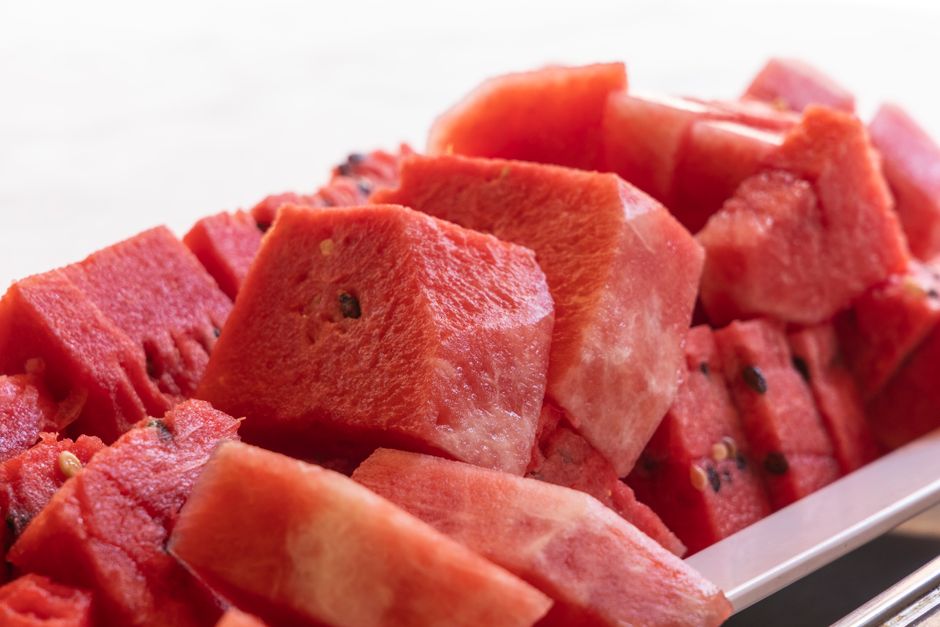
A little planning means fruit compote is ready whenever you want it. The aim is to keep things simple and reliable. The rest of this article covers fruit compote in plain, practical terms.
Why make it ahead
It helps to remember that almost any fruit can become a compote. Berries, cherries, plums, peaches, apples and rhubarb all work well, alone or in combination. Frozen fruit is a perfectly good choice and is especially useful outside of summer, since it is picked and frozen at its peak.
The goal is a recipe you can repeat easily, not a perfect one-off.
Timing it right
It helps to remember that place the fruit in a saucepan with a few tablespoons of sugar and a splash of water or juice. Cook over medium heat, stirring occasionally, until the fruit releases its juices and begins to break down. Firm fruit like apples need a few more minutes, while delicate berries soften very quickly.
It helps to make a small test batch before scaling a recipe up.
Storing it well
Worth keeping in mind: flavorings can be added along the way. A squeeze of lemon juice balances sweetness, while vanilla, cinnamon, ginger or a strip of orange peel add warmth and aroma. For a thicker compote, simmer a little longer to ease the liquid, or stir in a modest slurry of cornstarch and cold water and cook for another minute.
The goal is a recipe you can repeat easily, not a perfect one-off.
Keeping the texture
Put simply, compote thickens as it cools, so it should look slightly looser in the pan than you want it on the plate. Serve it warm over ice cream, pancakes or pound cake, or chilled with yogurt and panna cotta. Stored in a clean jar in the refrigerator, it keeps for about a week, and it can be frozen in modest portions for several months.
The goal is a recipe you can repeat easily, not a perfect one-off.
Serving straight from the freezer
A compote is fruit cooked gently with sugar until it softens into a chunky, spoonable sauce. Unlike jam, it is not cooked long enough to set firmly, and the fruit keeps some of its shape. It takes about fifteen minutes to make and can be spooned over nearly any dessert.
Labeling containers with the date makes it easy to use things while they are at their best.
Practical tips
A few simple things tend to help:
- Label containers with the date.
- Keep the freezer door closed as much as possible while things set.
- Chill the base in the fridge before it goes in the freezer.
- Leave a little space at the top of molds for expansion.
The bottom line
The best recipe is the one you will make again. Keep it simple, taste as you go, and have fun with the flavors. That is really all it takes.
Frequently asked questions
How far ahead can I make it?
Most frozen treats keep well for a couple of weeks in a sealed container; texture is best in the first few days.
Is it a good project for kids?
Yes, with an adult handling knives and the stove. Stirring, pouring and choosing flavors are easy jobs for small helpers.
Do I need special equipment?
Not really. Molds help, but small cups, a loaf pan or an ice cube tray work for most fruit compote recipes.
Why did mine turn icy?
Ice crystals grow when there is too much water and too little sugar or fat. A little more fruit purée or cream usually fixes it.